Headington Manor
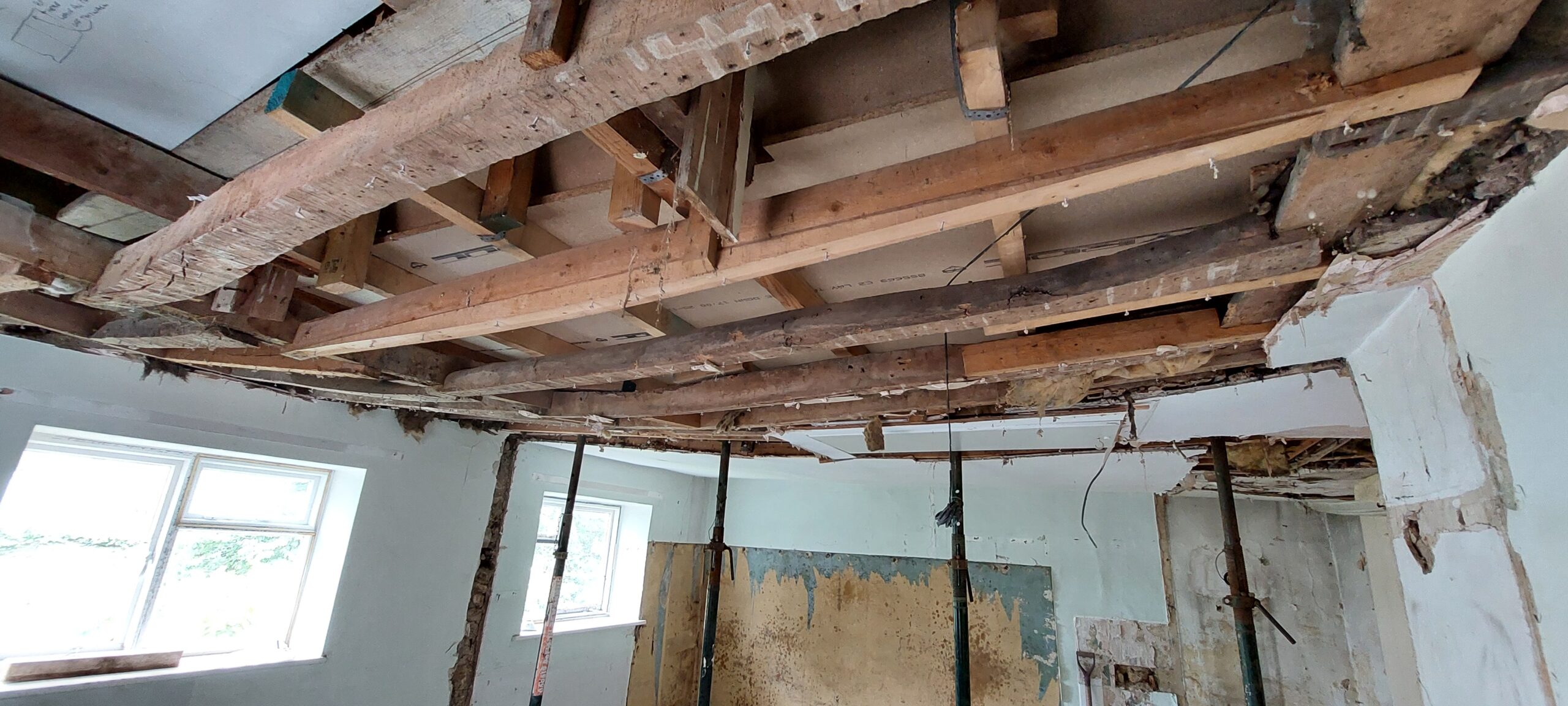
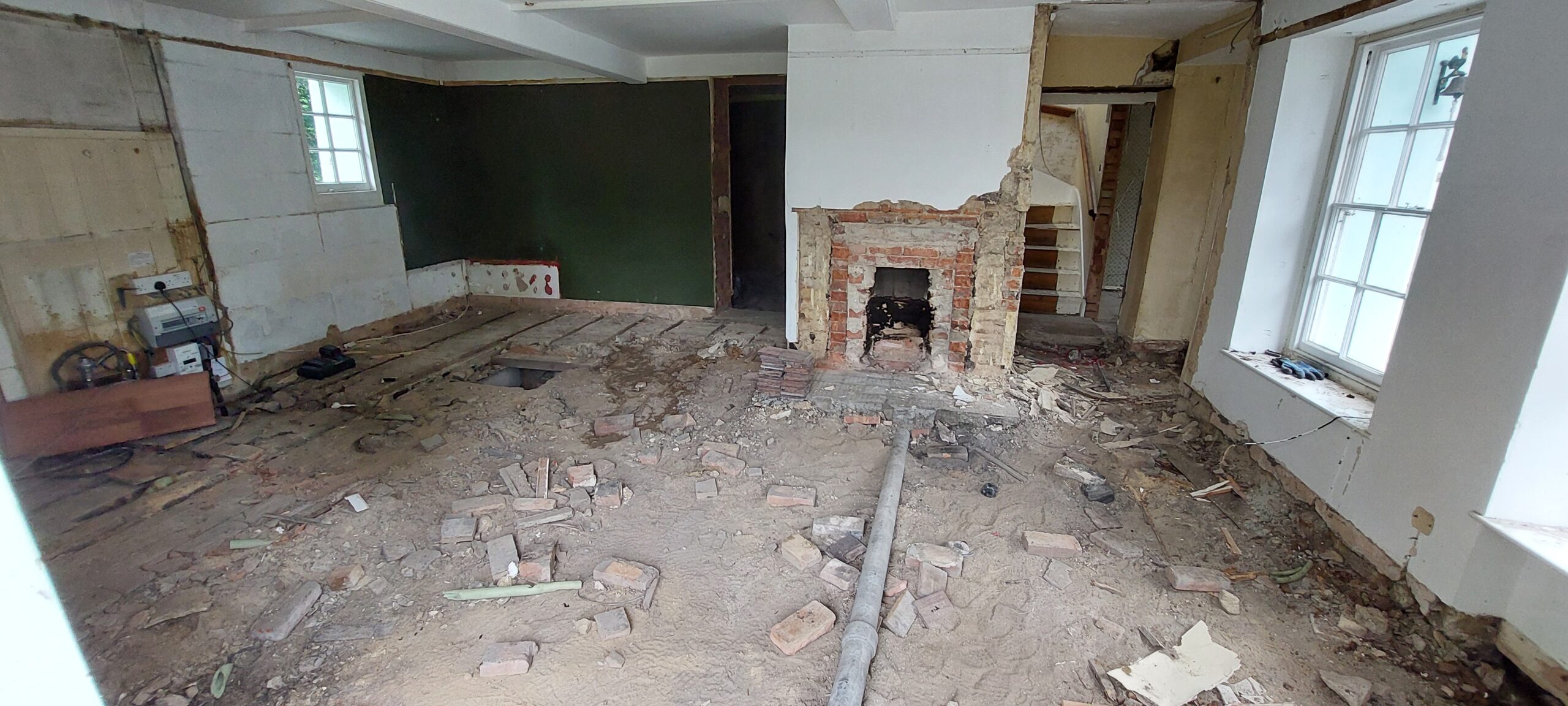
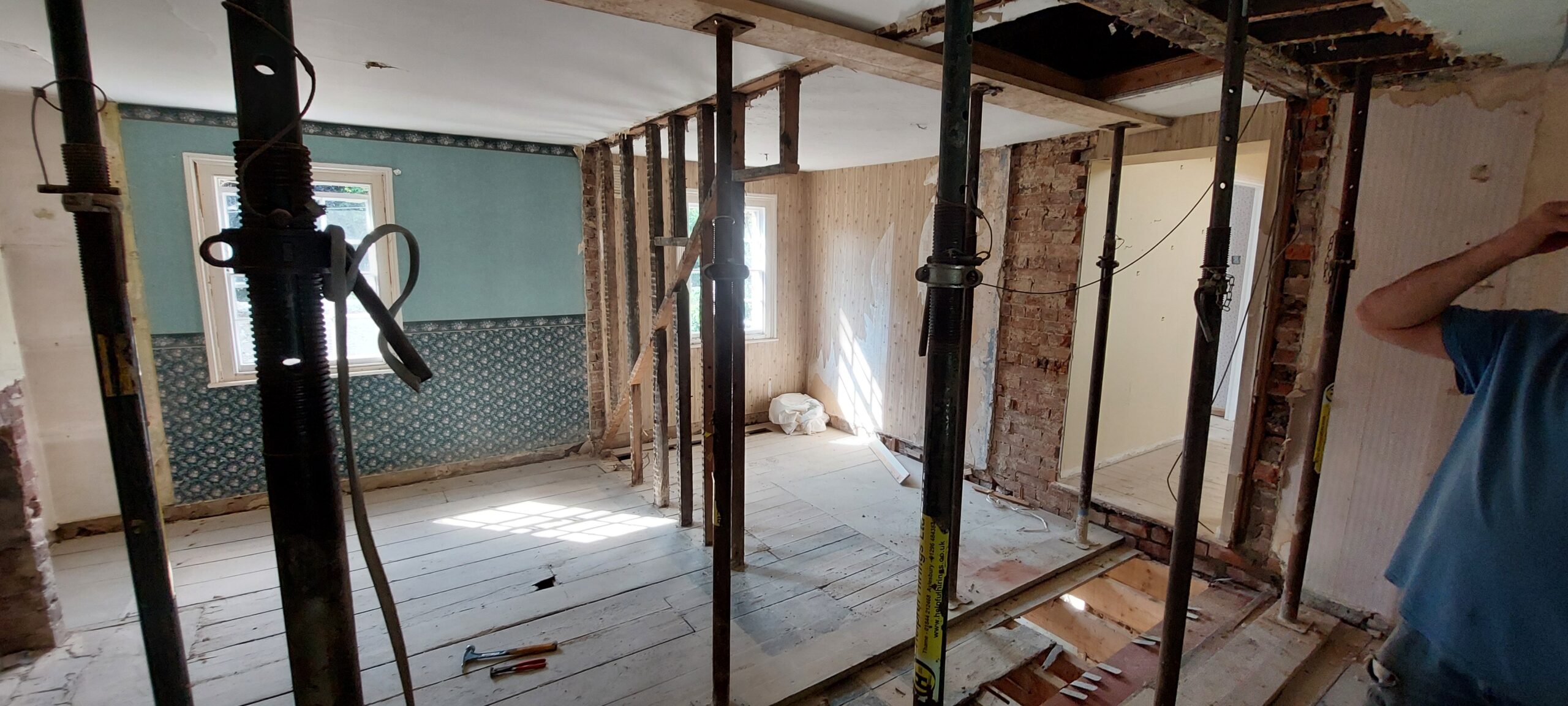
The new owners of this property approached us to transform a building that had not been updated since the 1960s into a contemporary home. Located at the edge of Old Headington in Oxford and overlooking the John Radcliffe Hospital, the site of this project was originally part of the former Headington Manor. It now lies within the Old Headington Conservation Area, which as part of the Oxford planning permission system protects the architecture of the historic rural village. As set out in the council’s appraisal, the area is characterised by “a historic core of closely spaced houses fronting principal streets and an intricate network of smaller lanes including highly distinctive residential areas”.
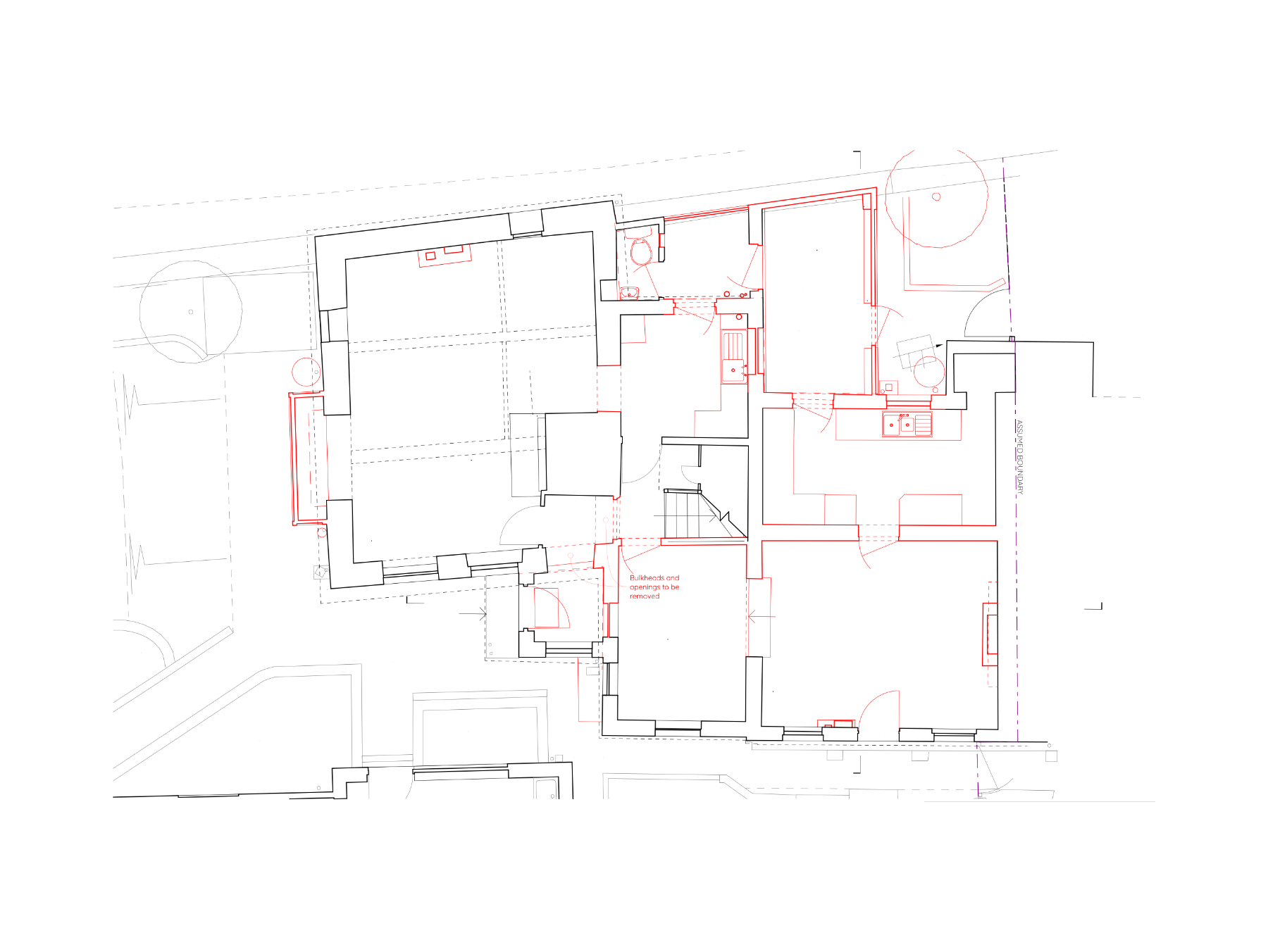
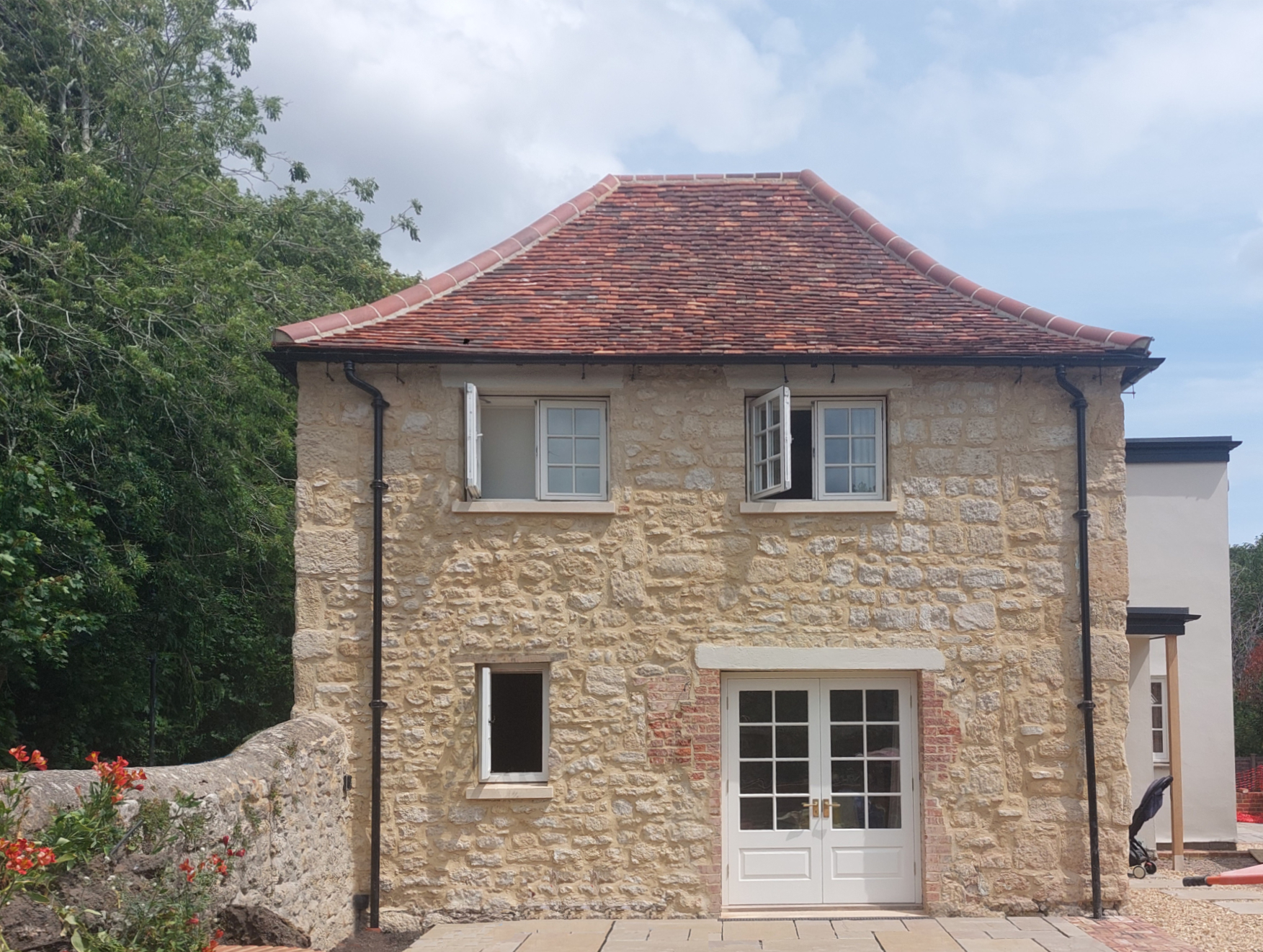
The property consists of two older buildings that were joined together via an infill extension in the 1950s. The oldest building on the site was originally an ancillary building within the manor; it is stone-built and most likely dates from the late eighteenth century. Its structure is a simple two storey building with a clay tile roof laid into curved hips. The original structure of this roof is still extant, having undergone recent major structural stabilisation work. The clay tiles were in a poor condition at the project’s outset and many modern inappropriate repairs and replacements of the tiles had been made over the years. A brick chimney to the north east of the building appears to be original.
Built in the mid to late nineteenth century, the Victorian part of the house forms the end of a terrace. This was a development likely built on the former manor gardens and used the local Shotover red brick laid in Flemish bond with blue headers at its front elevation. It is one of the earliest examples of this style of brick-built cottages in the area. The rear of the terrace is more functional than the gentile front, with a coal store, kitchen window and small yard. The coal store pattern is repeated along the terrace.
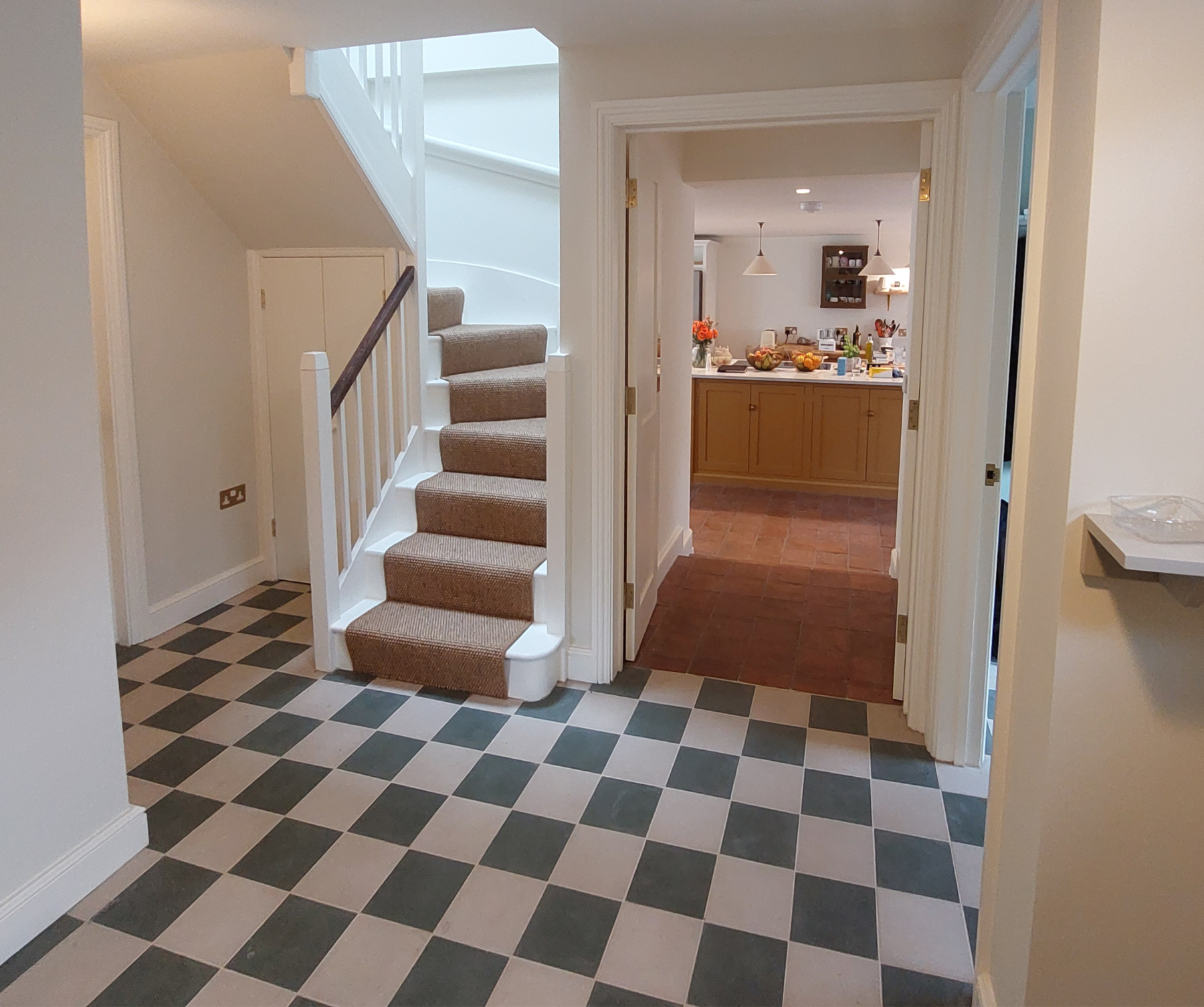
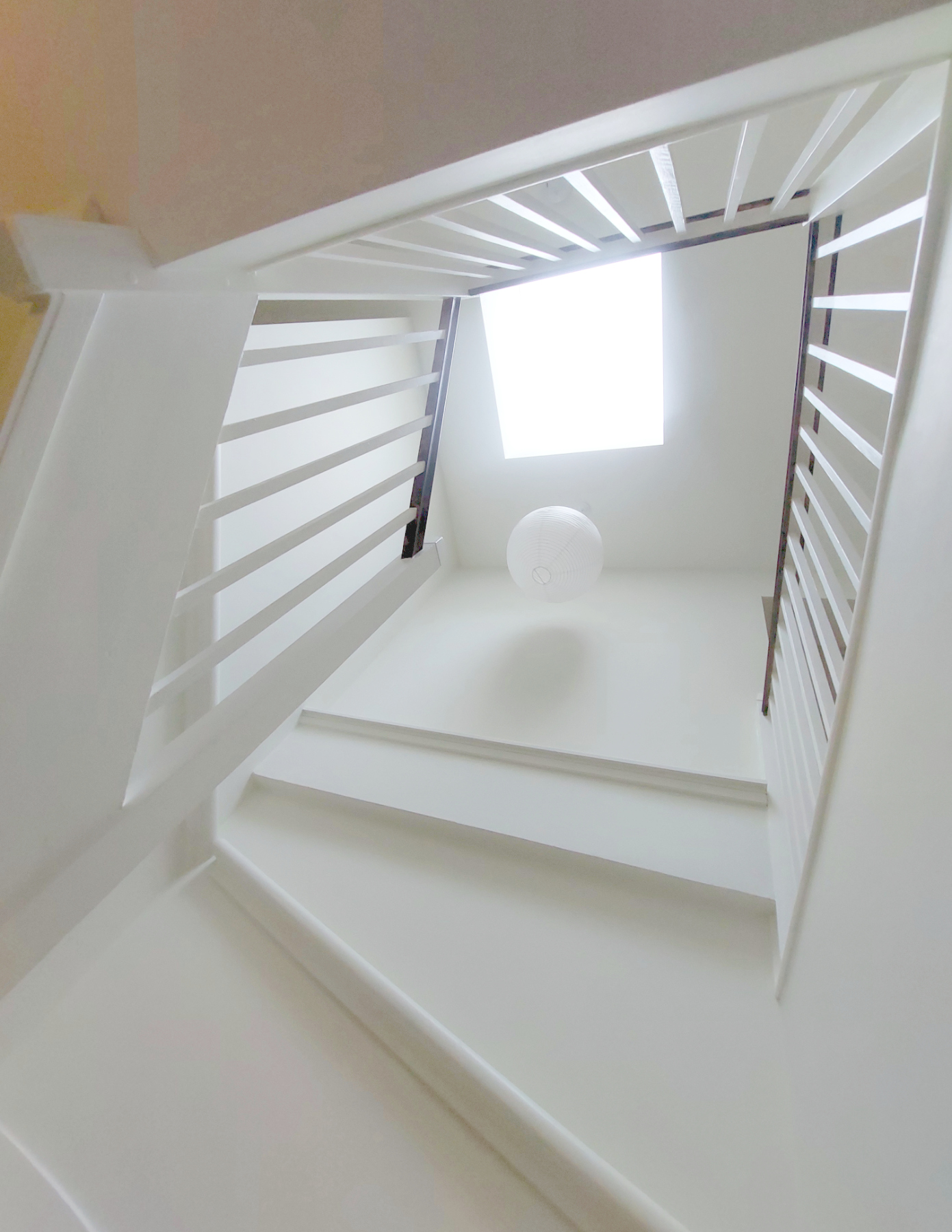
The 1950s section of the house was granted planning permission in 1958 and joins the older buildings over two storeys, primarily by providing a shared staircase and hallway. Despite its simple form, its use of a lower roof, well proportioned windows and subservience to its neighbours means that the conglomeration of these three historically distinct parts of this house into one home is achieved without damaging the character of either the original stone structure or the later Victorian terrace.
The extension unifies the disparate parts into a contemporary home while preserving existing historical structures. In conserving architectural heritage best practice dictates the avoidance of pastiche, as this confuses a clear reading of the evolution of historic structures over time and dilutes the effect of their original form. Therefore at ground floor the existing conservatory has been replaced by a fully insulated zinc clad extension, which will be open-plan with the interior of the cottage as often found in contemporary home design. The C.20th window that exists within the original stone boundary wall on the northern boundary was removed and the wall repaired using matching materials. The new ground floor extension is set back from this wall within the property, ensuring that its original form is preserved rather than over-cladding and incorporating it into modern construction.
The project was completed in 2025.
Client: Private client
Project Type: House extension and remodel
Location: Headington, Oxford
Status: Completed 2025